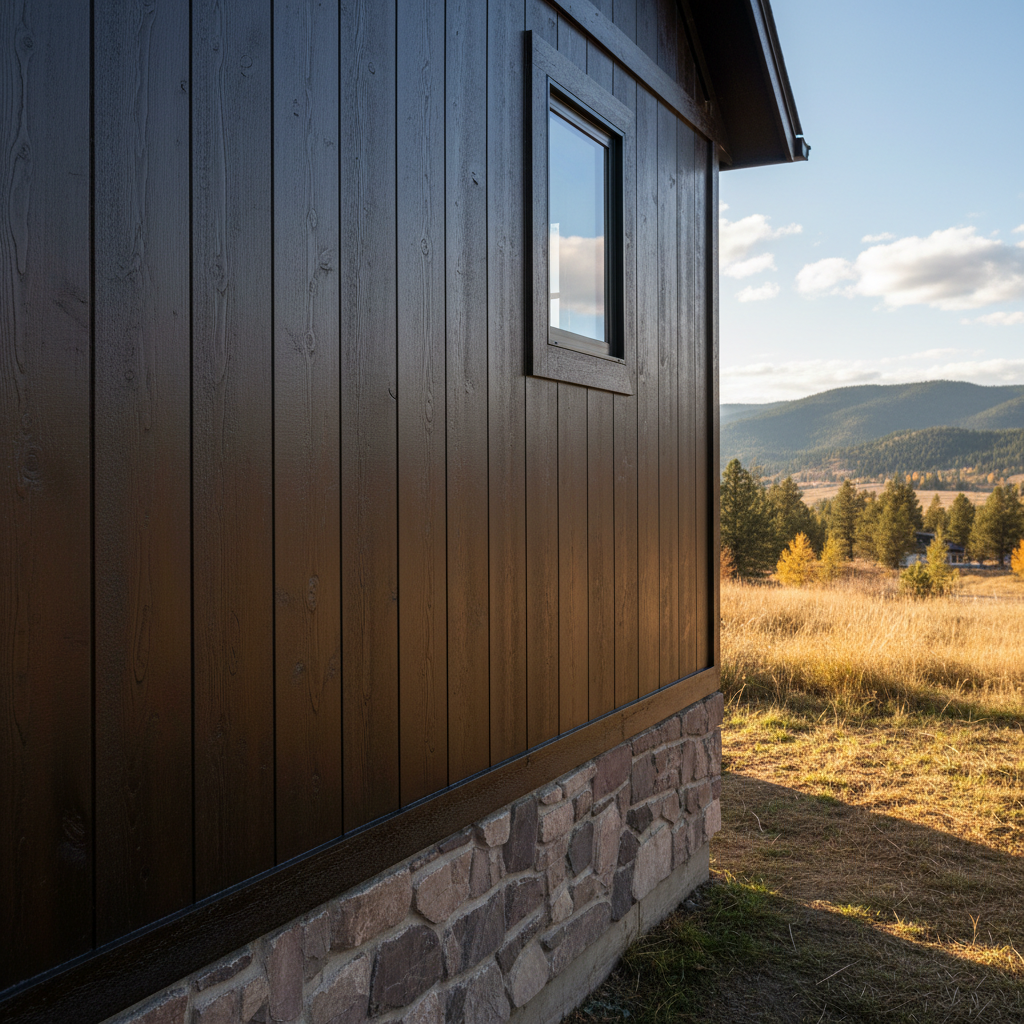
Alright, let us talk about tiny homes. We get many questions from folks around Victor, Montana, and the Bitterroot Valley about whether a tiny home is right for them. It is a big decision, and there is a lot of talk out there. We want to clear up some common misunderstandings as well as give you the real facts.
What is the deal with tiny home regulations and zoning in Victor, MT?
This is probably the first thing everyone asks, and for good reason. Montana adopted Appendix Q of the International Residential Code (IRC) back in 2019. This means that tiny houses on permanent foundations, generally under 400 square feet, are recognized.
Now, while the state has these guidelines, local places like Ravalli County and the town of Victor can have their own specific rules. They do have their own rules. For instance, if you are looking to put a tiny home on a foundation as an Accessory Dwelling Unit (ADU) on your property, you will need to check with the county planning office. They will look at things like setbacks as well as utility connections as well as whether it fits the look of your neighborhood. Some areas around Victor, especially in older subdivisions, might have covenants or zoning that restricts minimum square footage. You have to do your homework for your tiny home in Victor.
Tiny homes on wheels are a different thing entirely. Montana does not have clear state-level rules for them. They often fall under RV classifications. This means they might be allowed in RV parks or tiny home communities. Placing one permanently on private land as a primary residence can be tricky, especially if you want a certificate of occupancy for your tiny home on wheels.
Can I finance a tiny home like a regular house?
The short answer is usually not with a traditional mortgage. Most tiny homes, especially those on wheels, are considered personal property. They are not real estate. So, you are generally looking at different financing options for a tiny home:
- RV Loans: If your tiny home is on wheels and certified by the RV Industry Association (RVIA), you might get an RV loan. These loans are similar to auto loans with fixed interest rates.
- Personal Loans: These are unsecured loans. They can work for tiny homes, but interest rates might be higher than secured loans.
- Builder Financing: Some builders, like us at Bitterroot Valley Custom Sheds, have relationships with lenders who specialize in tiny home financing. This can make the process smoother for your tiny home.
- Home Equity Loans/HELOCs: If you already own a primary residence in Victor, you could use your home equity to finance a tiny home.
Cash is always an option if you have it. This also saves you on interest for your tiny home in Victor.
What about insurance for a tiny home? Is it even possible?
Yes, you can get insurance for a tiny home. It is not like insuring a standard stick-built home. A regular homeowner's policy will not cover it. You will typically need a specialized policy, often similar to RV or mobile home insurance.
Providers like Foremost Insurance Group or Strategic Insurance Agency offer policies specifically for tiny homes. This includes tiny homes that are stationary as well as tiny homes on wheels. They can cover the dwelling as well as personal property as well as liability. If your tiny home is on wheels and you plan to move it, you will want to make sure your policy includes transit coverage. Some insurers prefer tiny homes to be factory-constructed and certified by organizations like NOAH (National Organization of Alternative Housing) for easier coverage.
How do I hook up utilities to a tiny home?
This depends a lot on where you are putting your tiny home in Victor. If you are on a developed lot, you will likely connect to existing city water as well as sewer as well as electricity. This is just like a regular house. Bitterroot Valley Custom Sheds designs our tiny homes with future utility hookups in mind. This includes both grid-tied and off-grid options.
For off-grid living, which is popular in some of the more rural parts of Ravalli County, you are looking at:
- Electricity: Solar panels with battery storage are common for off-grid tiny homes. You will need to carefully plan your appliances to match your energy production.
- Water: Well water or a cistern system is used. You will need to consider water harvesting as well as filtration.
- Sewer: Septic systems are common for off-grid tiny homes. Composting or incinerating toilets are also options. You must check local regulations first, as some areas do not permit them.
You are responsible for getting those supply lines from your source to the tiny home's connections.
Do tiny homes hold their value, or do they depreciate?
This is an important question. It is not as straightforward as a traditional home. Generally, tiny homes on wheels tend to depreciate more like an RV or vehicle. They can lose 15-25% of their value in the first year as well as 40-60% after five years. This is because they are often seen as personal property. They are not real estate. Their value is not tied to land.
However, a tiny home built on a permanent foundation can add value to your property. This is especially true if it is legally classified as an ADU. The key is that it is a permanent structure tied to the land. The resale market for tiny homes is also still growing. Custom builds can be harder to price because there are not many similar sales to compare them to.
What is the difference between a tiny home and an ADU?
This gets confusing because sometimes they overlap. An ADU (Accessory Dwelling Unit) is a legal classification. It is a secondary dwelling on the same property as a primary home. It can be attached, like a converted garage, or detached, like a backyard cottage.
A tiny home, on the other hand, is more of a descriptive term for a small, compact dwelling. This is usually under 400 square feet. A tiny home can be an ADU if it is built on a permanent foundation. It must meet all local building codes as well as zoning requirements for an ADU. Not all tiny homes are ADUs, especially those on wheels. ADUs are built to full residential standards as well as add to property value. Tiny homes are often about minimalism as well as affordability.
We hope this clears up some of the questions you have about tiny homes here in Victor. It is a growing trend. There is a lot to consider. Tiny homes can be a great option for some folks. If you are thinking about building one, make sure you are working with someone who understands the local codes. They should also understand the unique challenges of building in our Montana climate, like the heavy snow loads we get up in the Sapphire Mountains. Bitterroot Valley Custom Sheds builds to meet or exceed Montana residential building codes. We make sure your tiny home is solid as well as comfortable year-round.