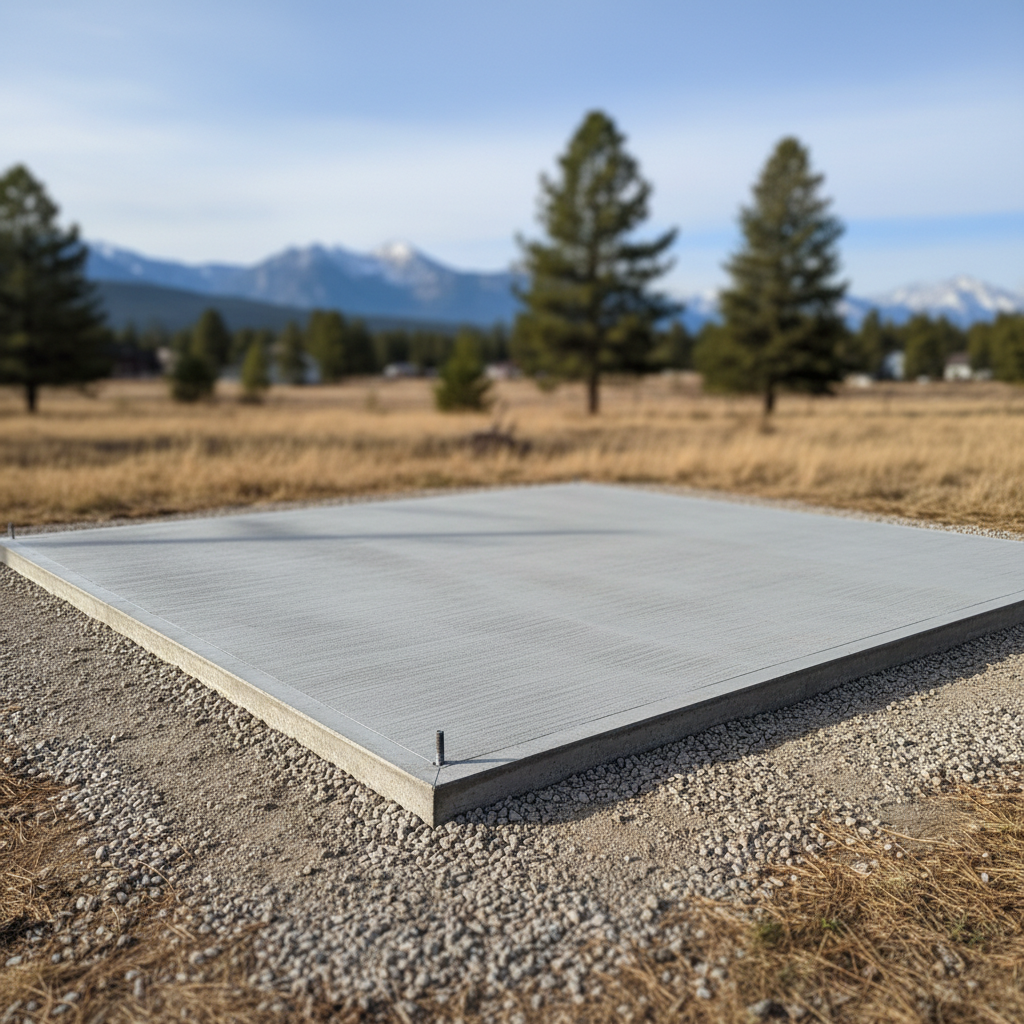
Alright, let us talk about shed foundations. We see many folks around Victor, MT, get excited about picking out a new shed. This shed might be for tools, or it might be a workshop. It could also be for just extra storage. That excitement is great. However, the foundation often gets overlooked, or worse, it gets skimped on. We can tell you that a good foundation is not just a suggestion. It is the backbone of your shed. This is especially true with the freeze-thaw cycles we get here in the Bitterroot Valley.
You would not build a house on shaky ground. The same idea applies to your shed. An improper foundation can lead to many headaches down the road. These headaches include uneven settling as well as doors and windows that will not close. It can also cause structural damage as well as rot from moisture. We are talking about protecting your investment from the ground up.
Before You Dig: Planning & Permits
The first thing to do, before you even think about moving dirt, is some homework. This part is not the most glamorous. However, it is important.
Permits & Regulations
Many homeowners ask us about permits. Here in Ravalli County, for many smaller shed foundations, you might not need a separate building permit specifically for the foundation itself. However, the shed structure often does require one. This is especially true if it is over a certain size. For instance, sheds under 200 square feet are often exempt from a building permit in cities with local enforcement. A zoning or land use permit is still usually required. The City of Victor's land development code mentions accessory structures like sheds under 120 square feet. These sheds need a permanent foundation or they must be securely anchored to the ground. Our advice is to always check with the Ravalli County Planning Department. Regulations can change. It is better to know upfront than to have to tear something down later. We at Bitterroot Valley Custom Sheds can help you figure out what applies to your specific project.
Site Selection & Preparation
Picking the right spot is a big deal. You should look for an area that is as level as possible. It also needs to have good drainage. You want water to flow away from your shed. You do not want water to pool around it. Consider things like existing landscaping as well as utility lines. You should call 811 before you dig for utility lines. Also consider how much sun or shade the spot gets. Once you have your spot, you will need to clear it of any vegetation as well as rocks. You also need to clear it of debris. You want a clean slate for your shed foundation.
Understanding Soil & Frost Line
Our soil here in Victor can vary. That variation affects your shed foundation. More importantly, you need to think about the frost line. That is the depth to which the ground freezes in winter. In Montana, this depth can range from 36 to 60 inches. Western mountain regions often see 48 to 60 inches. Frost heave is when expanding frozen ground pushes up on your foundation. This is a real problem if your foundation is not deep enough or not properly designed. It can cause uneven settling as well as damage to your shed. A good foundation needs to account for this issue.
During the Project: Foundation Types & What You Can Do
Now for the fun part. This is actually building the foundation. There are a few common types of shed foundations. What you choose depends on your shed's size as well as its intended use. It also depends on your budget.
1. Gravel Pad Foundation (DIY-Friendly for Smaller Sheds)
For most smaller and medium-sized sheds, a gravel pad is a good option. It is affordable. It allows for good drainage. You can definitely tackle this yourself if you are handy.
- Excavation: You should dig out the area about 4-6 inches deep. Make sure it is larger than your shed by at least a foot on all sides. Level the ground as much as you can.
- Weed Barrier: Lay down a weed barrier fabric. This will prevent vegetation from growing up through your gravel.
- Perimeter Frame: Build a perimeter frame using pressure-treated 4x6 lumber. This frame holds the gravel in place. It also gives a nice, clean edge. Make sure it is perfectly level as well as square.
- Gravel: Fill the frame with 3/4-inch crushed gravel. Do not use pea gravel or river stone. You need angular, crushed stone that compacts well. This type of stone also allows water to drain.
- Compaction: This step is important. Spread the gravel evenly. Then compact it thoroughly with a plate compactor. You can rent a plate compactor. A hand tamper also works. You want a solid, stable base that will not settle over time.
A properly installed gravel pad will prevent moisture issues. It will also provide a stable base. If you are building a shed without a floor, you will want a concrete slab. However, for most sheds with built-in floors, gravel works great.
2. Concrete Slab Foundation (Call a Pro for Anything Significant)
If you are planning a larger, heavier shed, a workshop, or a shed without a built-in floor, a concrete slab is probably your best choice. It offers the most stability. It also provides a solid, permanent surface.
- Planning & Thickness: Slab thickness depends on what you are storing. A 4-inch (100mm) slab is often enough for light storage. However, for heavy machinery, you will need 6 inches (150mm) or more. It might also need to be reinforced.
- Excavation & Forms: This involves more serious excavation. It also involves building sturdy forms. Often, rebar is added for reinforcement.
- Pouring & Curing: Pouring concrete is a big job. It needs to be mixed correctly. It also needs to be poured quickly. It must be leveled precisely. Then it needs to be properly cured to reach its full strength.
Some very ambitious DIYers might attempt a small slab. We generally recommend calling a professional for concrete slabs. They have the equipment as well as the experience. They also have the crew to do it right. This ensures it is level, properly reinforced, and cured to withstand our Montana climate. Mistakes here are costly. They are also difficult to fix.
3. Pier and Beam Foundation (Best for Sloped Sites)
If your chosen site has a significant slope, a pier and beam system can be a good solution. It lifts the shed off the ground. This allows you to level it without massive excavation.
- Piers: This involves digging holes below the frost line. Then you pour concrete piers. These often use tubes. You can also use pre-cast concrete blocks.
- Beams: Pressure-treated lumber beams are then set on top of these piers. This creates a level platform for your shed.
This type of foundation is more complex than a gravel pad. It often requires precise measurements as well as structural knowledge. Some aspects can be DIY. However, getting the piers set correctly and perfectly level is important. If you are not confident, you should call a professional. It is a great option for those tricky Victor hillsides. But it needs to be done right to prevent future settling.
After the Foundation: Protecting Your Investment
Once your foundation is in, you are well on your way. But there are still a few things to keep in mind.
- Drainage: Always make sure water drains away from the foundation. You might need to add some landscaping or grading around the perimeter to make sure this happens.
- Ventilation: If you have a gravel pad or pier system, good airflow underneath your shed helps prevent moisture buildup as well as rot.
- Anchoring: Make sure your shed is securely anchored to the foundation. This prevents it from shifting in strong winds. We certainly get strong winds around here.
A solid foundation is an investment in the longevity of your shed. Do not cut corners here. Whether you are doing it yourself or hiring someone, understanding these basics will help you make informed decisions. We build sheds to last here at Bitterroot Valley Custom Sheds. That always starts with a solid base.