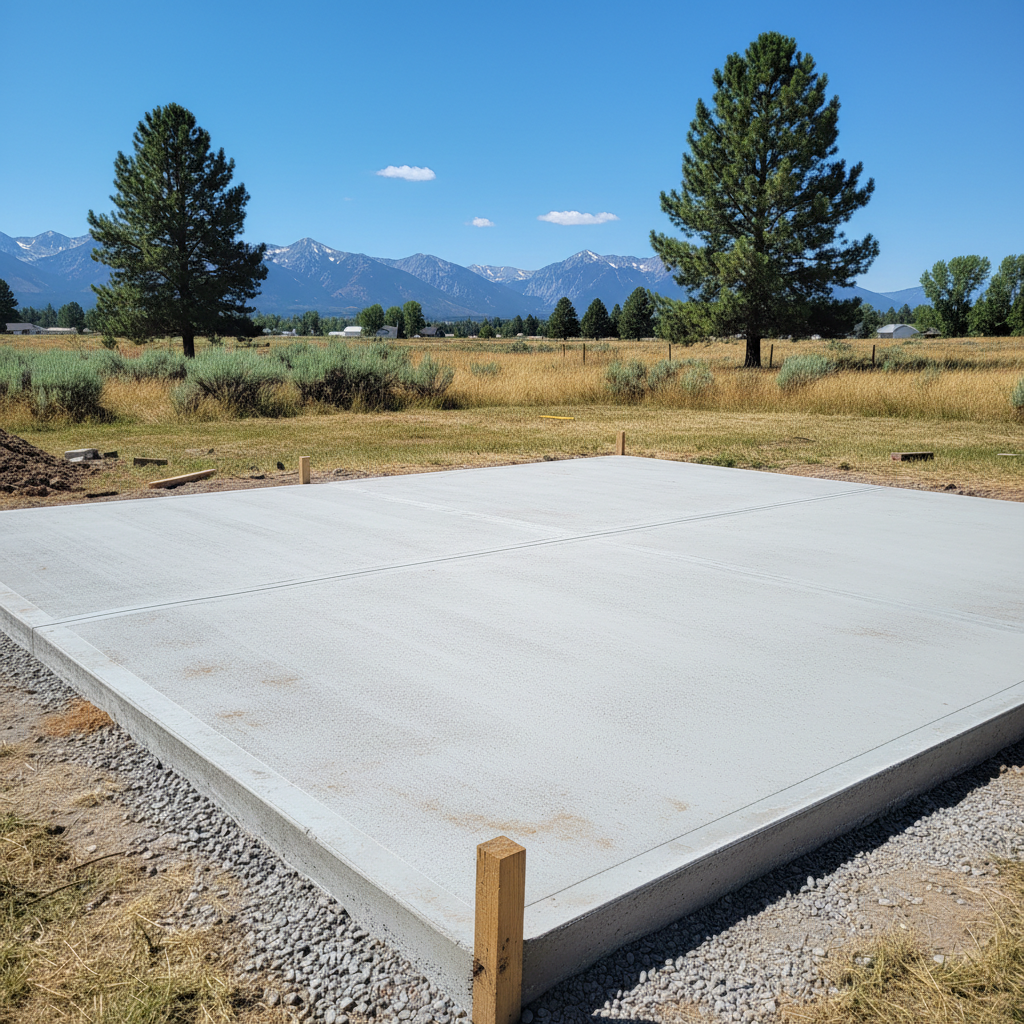
Building a solid shed starts long before the walls go up. When you are putting up an outbuilding out here in the Bitterroot Valley, you already know our soil can turn from stubborn clay to loose gravel very fast, especially with the freeze-thaw cycles we get every winter in Victor, MT. Getting the foundation right is the only way to keep your doors from sagging two years down the road.
Before You Dig: Planning and Site Prep
You cannot just drop a shed anywhere on your property and hope for the best. Before lifting a shovel, look closely at how water moves across your yard during our heavy spring runoff. You will want a spot that naturally drains well, away from low points where melting snow pools up. Check for property lines and local setbacks, too. If you are building something small, a compacted gravel pad or a skids-on-crushed-rock setup is usually plenty, but you need to clear all topsoil and organic matter completely down to the stable sub-base. Leaving sod or organic loam underneath is a recipe for uneven settling later.
During the Project: DIY vs. Calling a Pro
Many people around Victor like to handle their own site prep to save money, and you can realistically knock out the grunt work yourself if you have got a weekend and a strong back. Here is how the labor usually breaks down:
- Clearing brush, stripping topsoil, and hauling basic materials can easily be a weekend DIY project.
- Building a precise, square wooden frame and spreading crushed minus gravel requires a tamper and a good eye for grading.
- Pouring a monolithic concrete slab or dealing with steep, sloped acreage usually calls for heavy equipment and professional help.
Bitterroot Valley Custom Sheds sees many gravel pads that look level by eye until you put a long straightedge on them. If your site has a serious slope or requires retaining walls, save yourself the headache and bring in local equipment operators who know how to grade for Montana weather.
After the Base is Set
Once your gravel pad or concrete is in place, let it settle and compact completely before dropping heavy structures on it. Keep an eye on the perimeter during the first big rain or heavy melt. If water pools right against the edge of your new pad, grab some extra crushed rock or redirect the runoff immediately. Taking these simple steps now means your investment stays square, dry, and level for 15 to 20 years or more.