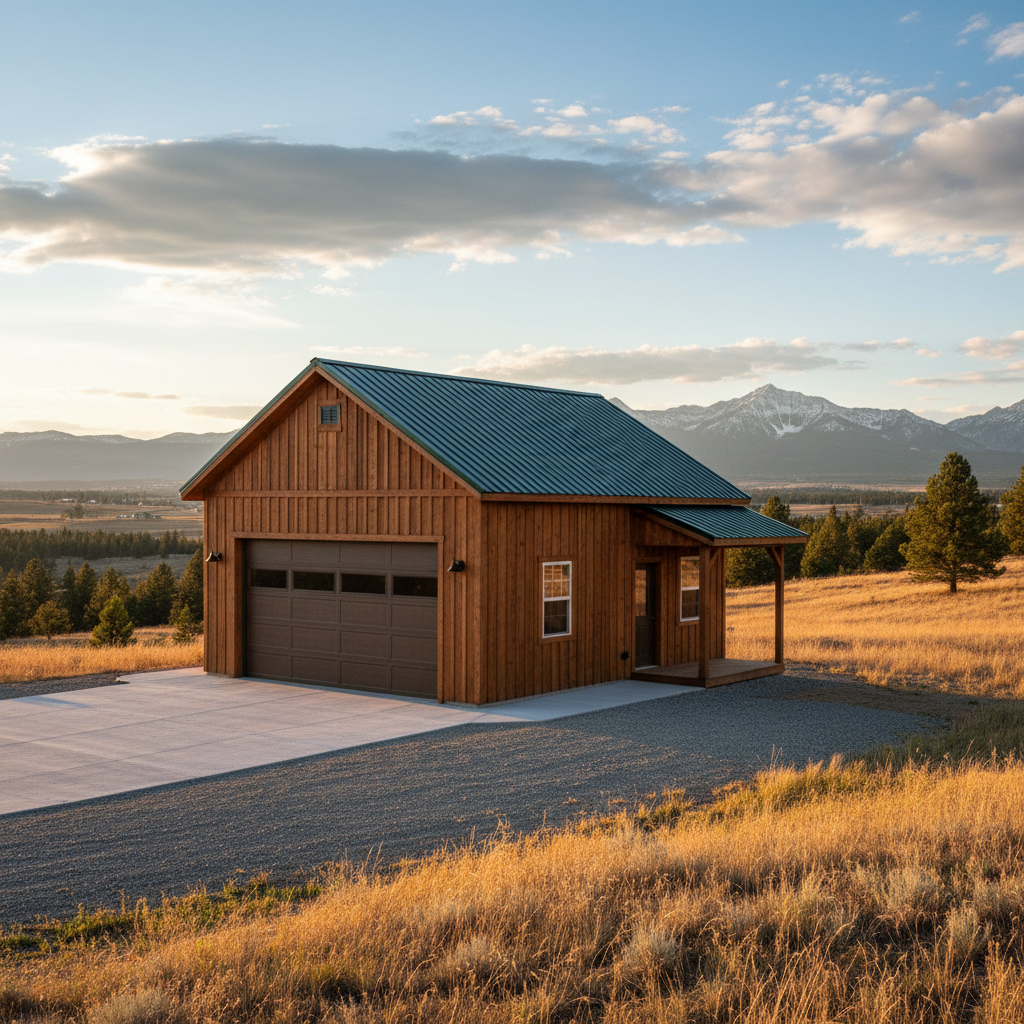
Alright, let's talk garages. Everyone wants one, right? Extra space for the truck, the toys, a workshop – you name it. But I've seen enough projects go sideways over the years to know there are some common traps folks here in Victor fall into when they're planning or hiring for a new garage. You don't want to be one of them, trust me. So, here's what you need to watch out for.
Skimping on the Design Phase
This is probably the biggest one. People get excited, they've got a budget, and they just want to get to building. They'll sketch something on a napkin or grab a generic plan online and think it'll be fine. It rarely is. A good design isn't just about how it looks; it's about function, flow, and making sure it actually fits your needs – and your property.
You need to think about what you'll actually use the garage for. Is it just for parking? Or are you going to be working on cars, storing ATVs, or maybe even setting up a home gym? That dictates ceiling height, door size, electrical needs, and even the type of flooring. I've seen guys build a garage only to realize their lift won't fit, or the RV door isn't tall enough for their specific model. That's a costly mistake to fix after the fact.
Also, consider your future. Will you need more space in five years? Is there potential to add a second story down the road? A little foresight in the design phase saves a mountain of regret later on. Don't rush this part; it's the foundation of a successful project.
Ignoring Local Regulations & Site Prep
This one can really bite you. Victor, like any other place, has its own zoning laws, setback requirements, and building codes. You can't just plop a structure anywhere you want. I've seen homeowners get deep into a project only to have the county step in because they didn't pull the right permits or their garage is too close to the property line. Then you're looking at fines, tear-downs, or costly redesigns.
Beyond permits, think about your site. We've got some interesting soil conditions around here, especially if you're building closer to the river or in some of the older, established neighborhoods where drainage can be a real headache. You can't just pour a slab on whatever's there. You need proper excavation, grading, and a solid foundation. If you don't prepare the site correctly, you're setting yourself up for cracks, settling, and water issues down the road. A good contractor will insist on proper site evaluation, and if they don't, that's a red flag.
Hiring the Cheapest Bid (or the First Guy You Talk To)
Look, I get it. Money matters. Everyone wants a good deal. But when it comes to something as substantial as a garage, the cheapest bid often means corners are being cut. You're not just paying for materials and labor; you're paying for experience, reliability, and quality workmanship. I've seen folks go with the lowest price only to end up with a project that drags on forever, shoddy construction, or a contractor who disappears halfway through.
Don't just get one bid. Get three, maybe four. Ask for references and actually call them. Go look at their previous work if you can. A reputable builder, like us at Bitterroot Valley Custom Sheds, will be transparent about their process, their timeline, and their costs. They'll have insurance, be licensed, and be happy to answer all your questions. If a contractor is vague, pushy, or demands a huge upfront payment, walk away. Your peace of mind and the longevity of your garage are worth more than saving a few bucks initially.
Forgetting About Utilities and Future Needs
You'd be surprised how many people build a great garage and then realize they forgot about power, water, or even internet. Do you need 220V for a welder or a heavy-duty air compressor? Will you want a utility sink for washing up or cleaning tools? What about heat for those cold Victor winters? Running electrical lines, plumbing, or gas after the fact is always more expensive and disruptive than planning for it upfront.
Think about lighting too. Most standard garage lighting isn't enough for detailed work. Plan for ample overhead lighting, task lighting, and plenty of outlets. It's much easier to run conduit and wires before the walls are closed up. A little extra planning for these details makes a huge difference in how functional and enjoyable your new garage will be.
Building a garage is a big investment, and you want to get it right. Take your time, do your homework, and don't be afraid to ask a lot of questions. It'll save you a lot of grief in the long run.